← work mcsinger@home:~/work/time-detectives
Case study 01 · narrative game

The Time Detectives™

Live · pre-audience · v3

A history puzzle game where you reconstruct the order of events with an AI cast, built on a knowledge graph of 1,100+ events, each tied to its topics, people, places, and eras, with a hand-written layer of influence links curated over a decade.
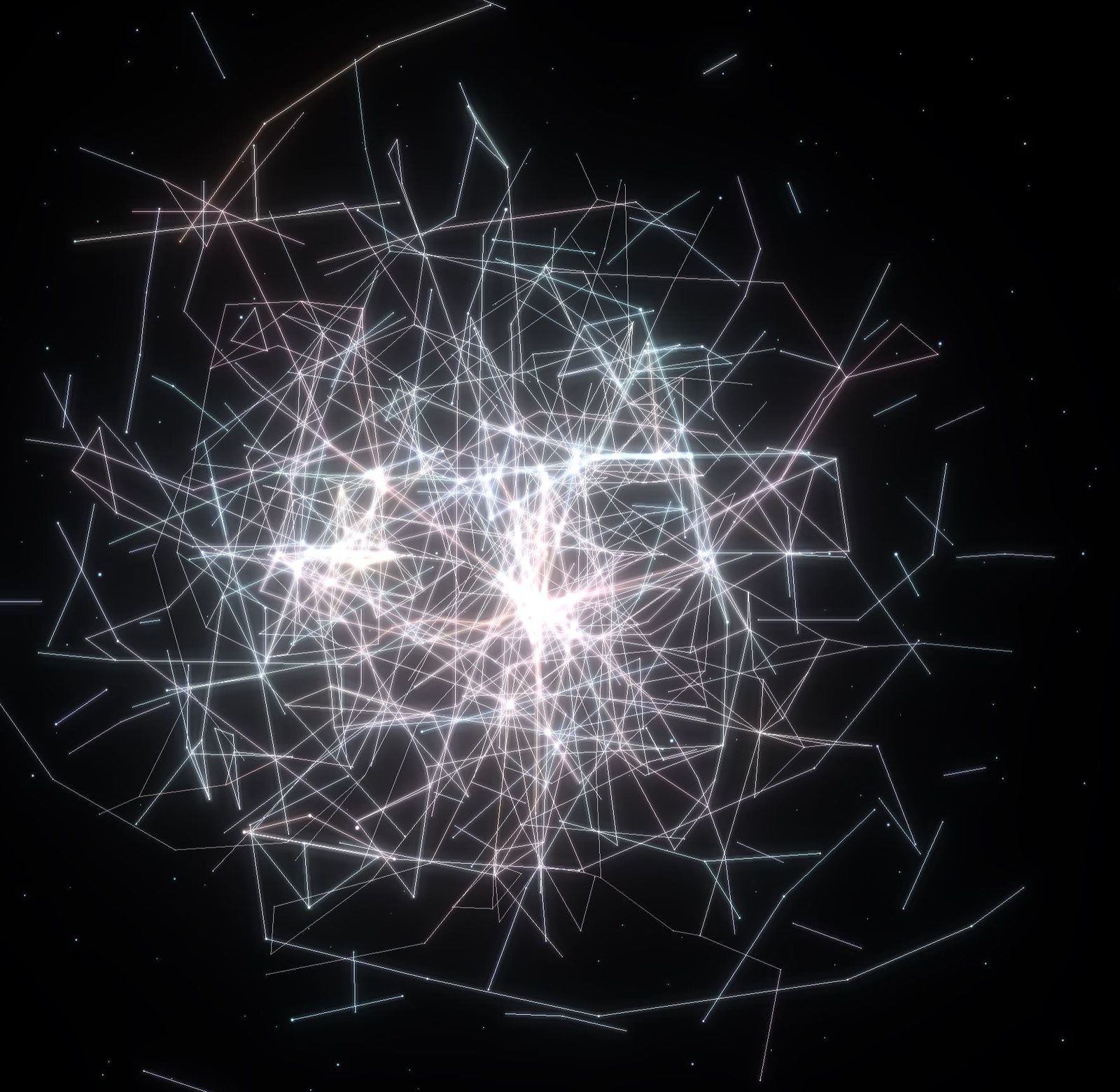
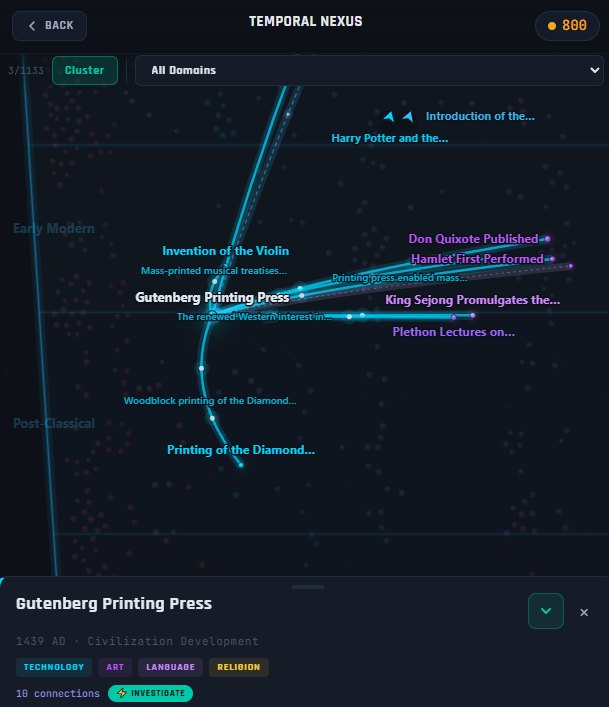
The Time Detectives Temporal Nexus, a luminous web of historical events and their influence links
The Temporal Nexus, rendered as an artist's portrait of the graph behind the game: 1,100+ events on one timeline, tied by ~1,450 hand-written links tracing how one influenced the next.
1,133 events
2,202 people
1,451 influence links
12,900+ entity connections
13.8B years spanned
13 curated playlists
The problem

People learn history as disconnected facts.

Anyone can name the moon landing and the printing press, but not place them relative to each other, or say why one led to the next. Time Detectives trains the reasoning, not the trivia, from verified sources rather than whatever a model happens to recall.

The core loop

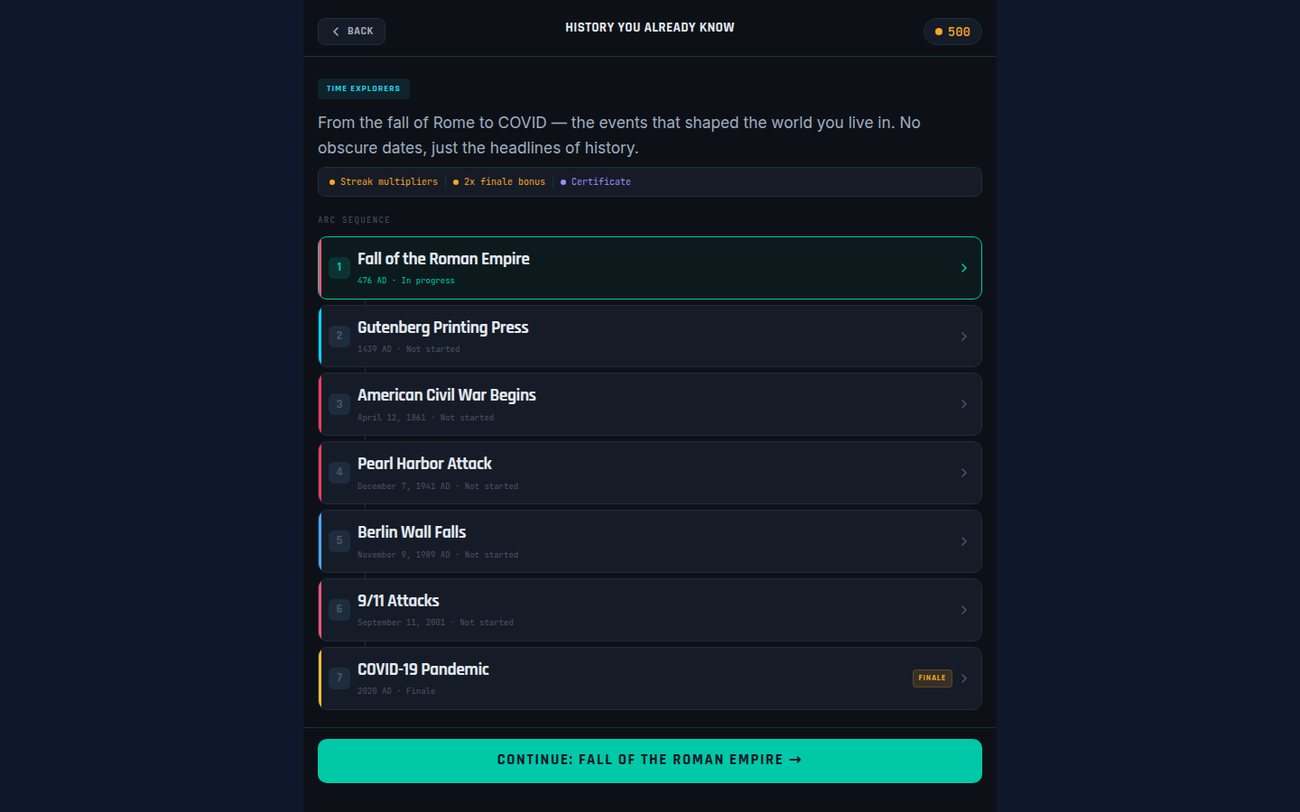
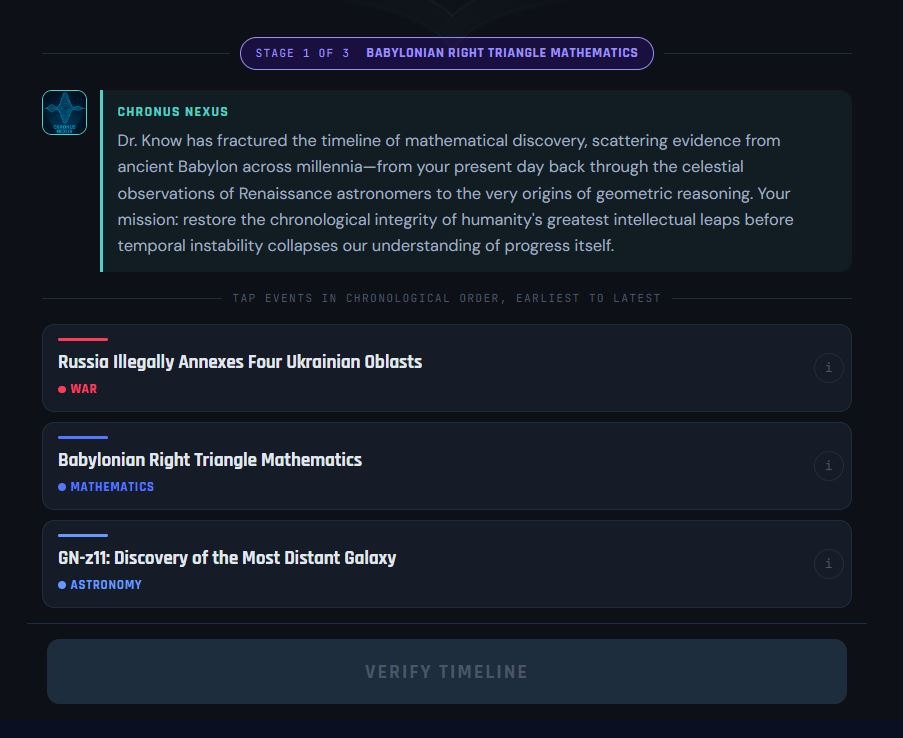
Three events. Dates hidden. Put them in order.

Gameplay: a character presents three historical events to order chronologically, with a Verify Timeline button
Get it right and the timeline heals. Get it wrong and the characters explain the connection you missed, so a wrong answer still teaches.
How it works

A verified graph, an engine that adapts to you.

Content pipeline eval + human review Knowledge graph events · influence links Adaptive engine picks the triplet You order them verified events only hub + brackets 3 events accuracy → mastery · resurfaces weak events
Nothing reaches the graph until an eval harness scores it and I approve it. The Burke Connector proposes the links between events, and I review every one before it's written in. Then a separate engine adapts each session to where you struggle.
Knowledge graph
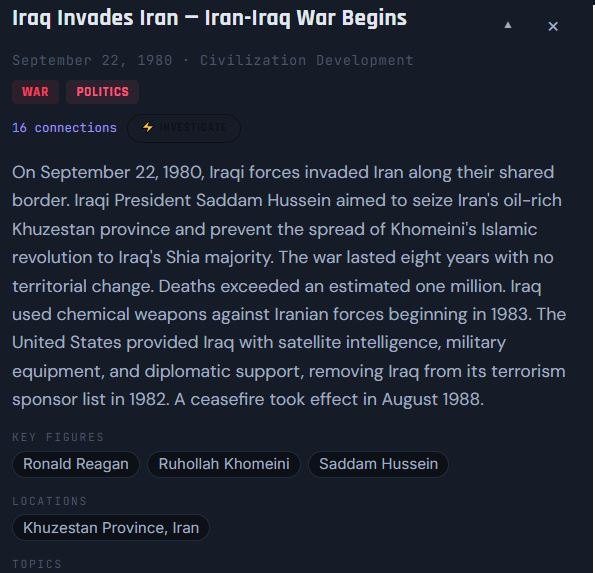
Neo4j. Events connect to people, places, topics, and eras, and to each other through roughly 1,450 hand-written influence links, each carrying its own written rationale. Every event also carries a defended timeline position and its evidentiary basis.
Adaptive triplet engine
Picks a hub event by inverse-frequency weighting, brackets it with earlier/later candidates, tracks mastery, and quietly brings weak spots back.
Content-quality pipeline
An eval harness scores every event from 0 to 100; a synthetic-player harness plays the real game loop to measure the algorithm and catch fairness bugs.
Inside the game
The hard part

Curating 13.8 billion years into one ordered graph, where every event has a defensible position and an explicit basis for how we know it.

A decade of research before a line of code
A fairness bug you can't see from the code

Hub events appear more often than brackets; naive scoring penalized them 3×. Found only by building a synthetic-player harness that plays the real loop.

AI that never blocks the game

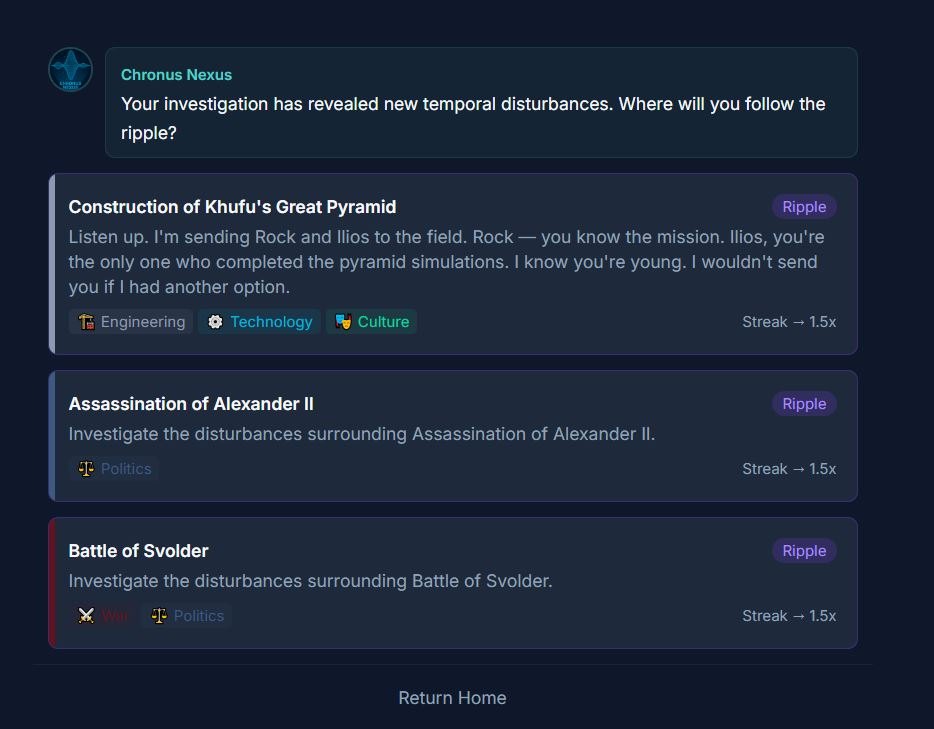
Every character line has a timeout and a hand-written fallback. The narrative degrades gracefully instead of failing.

Where it stands

The strongest version yet. Now it needs players.

Live and stable. No marketing done. Looking for playtesters, curious adults and families who'll play a few investigations and tell me where it lost them.